

Posted by Frank Griffo, L.Ac. on Dec 10th 2025
Stress
Stress: The Overlap Between Cortisol, Hormones, and Liver Qi Constraint
The modern stress conversation is dominated by neuroendocrinology. We talk about cortisol spikes, dopamine depletion, sex hormone dysregulation, sleep cycle disruption and metabolic shifts. Clinically, the lived experience of stress—irritability, waking at 4 AM, menstrual irregularity, digestive shutdown, migraines, palpitations—maps almost perfectly to the classical category of Liver qi stasis. The two descriptions use different languages but point to the same physiological reality: sustained pressure on the body’s regulatory systems creates tension, stagnation, and eventually depletion.
The western model shows us how the stress response operates as a survival mechanism. The TCM model shows us how the same mechanism becomes pathology when it fails to resolve. Together, the two offer a more complete map of patient experience, and a far clearer intervention strategy than either alone.
Western Stress Physiology: What Cortisol and the Autonomic Nervous System Actually Do
The sympathetic nervous system evolved to keep us alive. Fast threats—predators, violence, sudden danger—required rapid mobilization without deliberation. The amygdala senses threat, the hypothalamus triggers the pituitary, and the pituitary instructs the adrenal cortex to produce cortisol and epinephrine and norepinephrine. This axis surge increases blood glucose, increases cardiac output, releases free fatty acids, narrows peripheral blood flow, and primes the muscles.
Cortisol is a glucocorticoid that maintains blood sugar during stress, adjusts immune function, and influences memory consolidation. In short-term bursts, it sharpens us. The problem is persistence. In chronic low-grade stress, cortisol stays elevated while the regulatory brakes lose their sensitivity and what should be transient becomes baseline.
Long-term cortisol elevation produces predictable physiological consequences:
- Increased triglycerides due to chronic metabolic signaling.
- Impaired thyroid conversion (T4 → T3) leading to fatigue and weight gain.
- Suppressed immune system, increased infection rates, slower wound healing.
- Reduced sex hormone production.
- Elevated blood pressure through vascular tone and fluid retention.
- Altered sleep architecture, particularly reduced deep sleep and REM.
Sex hormones are not bystanders. Under stress, the pituitary shifts priorities: survival over reproduction. Women experience cycle disruption, shortened luteal phases, decreased progesterone, and PMS intensity. Men experience reduced testosterone production, erectile issues, and decreased fertility. Cortisol pulls the endocrine system away from rhythm and toward vigilance.
Patients feel this. They say they are “on edge,” “wired but tired,” “tense,” “hyper-reactive,” or “like I can’t turn my brain off.” Many more simply say they feel flat. Chronic cortisol initially produces heat and agitation, but eventually it leads to exhaustion, numbing, fatigue, decreased sex drive, and loss of motivation.
Symptoms of Ongoing Stress
Most clinicians can spot the patterns without a lab panel. The symptom constellation of chronic stress is highly reproducible:
- Musculoskeletal tension: trapezius, cervical paraspinals, jaw clenching.
- GI disruption: acid reflux, constipation alternating with loose stools, IBS.
- Cardiovascular reactivity: palpitations, hypertension.
- Sleep disturbance: difficulty falling asleep, early waking at 4 AM.
- Menstrual changes: painful cycles, shortened phases, increased emotional swings.
- Cognitive: rumination, catastrophizing, decreased executive function, memory lapses.
- Emotional reactivity: irritability, impatience, mood swings.
A primary care doctor may blame “stress,” “lifestyle,” or “adrenal fatigue.” But none of these frameworks point clearly toward intervention beyond sleep hygiene, exercise, and SSRIs.
This is where the TCM lens becomes valuable as a clinically precise model of pattern development.
The Liver
In Chinese medicine, the Liver does not refer to the anatomical organ alone. The Liver “ensures the free flow of qi,” governs tendons and sinews, stores blood, and influences emotional states, especially frustration and constraint. The Liver is the system that maintains smooth movement—of qi, blood, digestion, menstruation, and mood. In times of stress, it is the system most vulnerable to stagnation.
The Liver system is flexible movement personified. The sinews bend, the blood stores, the qi courses. When the Liver cannot move, everything it is connected to stops moving. That is stress pathology.
The longer I am in practice the more I see that movement - or lack thereof - is the single largest factor of disease of many types. Looking for qi stagnation as a cause, or even just a factor, in a patient’s complaint, often leads me to improved results and happier patients.
When stress becomes chronic, the Liver’s function of coursing and dispersing qi becomes blocked. Qi accumulates in any number of places but often in the chest, throat, shoulders, and hypochondrium. The muscles tighten and digestion becomes irregular. As in the western endocrine model, the initial phase is agitation and heat. Long-term stagnation eventually affects yin, blood, and other organs.
Liver pathology rarely stays confined. It spreads to the:
- Gallbladder: indecision, timidity, sleep disruption, fear of confrontation
- Spleen: digestive weakness, loose stools, fatigue
- Stomach: reflux, nausea, appetite disturbance
- Heart: palpitations, anxiety, insomnia
- Kidneys: reproductive dysregulation, libido changes, burnout
The Liver’s pathology is dynamic: Qi stagnation generates heat, heat consumes yin, yin depletion agitates spirit, and spirit agitation worsens constraint. The cycle loops unless broken. This is essentially a classical explanation of the feedback trap of the hypothalamic–pituitary–adrenal axis that manages cortisol levels.
Symptoms of Liver Qi Stasis: The Precision of the Classical Vocabulary
In practice, the overlap between western stress symptoms and Liver qi constraint is almost one-to-one. Maciocia’s description is blunt: irritability, mood swings, chest distension, hypochondriac discomfort, frequent sighing, throat constriction, irregular menstruation. These are not vague analogies—they are the lived symptoms of the modern professional, the parent under pressure, and the overstimulated patient who scrolls before bed.
A few hallmark signs:
- Distension and pressure pain.
- Symptoms that worsen with emotional triggers.
- Transient relief after crying, movement, exercise, or sighing.
- PMS with breast tenderness or irritability.
- Alternating bowel habits.
- Deep, tight trapezius and TMJ tension.
The emotional signature is frustration. Not grief, not fear, not depletion—frustration, resentment, impatience. These emotions are the energetic fingerprint of impeded movement. When qi is constrained, the body cannot “course.” Thoughts don’t flow, emotions don’t dissipate, digestion doesn’t progress, menstrual cycles don’t resolve smoothly. Tendons tighten. The jaw is clenched. Forearms are tense. The pulse is wiry. Tongue edges become red or scalloped. These are physical markers of stress the same way chronically elevated cortisol is a biochemical marker.
How Liver Constraint Disrupts Other Organ Systems
The five-phase model is pattern recognition honed over centuries.
Wood overacting on Earth
When Liver stagnates, it attacks the Spleen. That presents as IBS, poor appetite, bloating, and loose stools under pressure. Patients say “I can’t eat before presentations,” or “My stomach shuts down when I’m stressed.” This is textbook Liver → Spleen disharmony. The fascia of the gut literally tightens under sympathetic tone, mirroring the tendons of the neck.
Wood invading Fire
Stagnation and heat disturb Heart qi and Shen. Anxiety, insomnia, palpitations, panic attacks, rumination. These are Liver-fire disturbing the Heart-spirit. Treatments that only sedate the Shen fail because the root cause remains.
Liver–Kidney axis
Long-term stagnation consumes yin and blood, leading to irregular menstruation, reduced fertility, erectile dysfunction, chronic fatigue, or stress-related amenorrhea. Western endocrinology calls this “HPA–HPO axis dysregulation.” TCM calls it “Liver not storing Blood,” or “Kidney yin deficiency from constraint.”
Patients do not have a stress disorder, and a menstrual disorder, and acid reflux, and shoulder pain, and insomnia. They have one pattern radiating through multiple systems and presenting with multiple symptoms. Recognizing the patterns is the first step to crafting an effective treatment.
Symptoms of Liver Qi Stasis: Overlap in Everyday Language
Ask stressed patients about their bodies rather than their stress:
- Do you sigh frequently?
- Do you have shoulders tension or pain?
- Do you feel a lump in your throat?
- Do you get headaches in the temples or behind the eyes?
- Is your digestion irregular?
- Is your cycle painful or irregular or moody or all three?
- Do you wake up around 4 AM?
These questions describe the same sympathetic tension a neurologist sees, in the language of movement rather than hormones. Patients resonate with this because it locates their suffering in the body, not in their willpower. They don’t feel “weak” or “crazy.” They feel constrained. The treatment goal becomes recovery of movement rather than suppression of symptoms.
Griffo Botanicals Liver Formulas: Matching the Presentation to the Pattern.
Stress presentations are not uniform. This is also what western medicine sees: early stress (sympathetic hyperactivation), mid stress (inflammation and endocrine reactivity), and late stress (depleted reserves, burnout, depressive overlay).
Different formulas target different segments of these patterns:
Primary Liver Qi stagnation formula
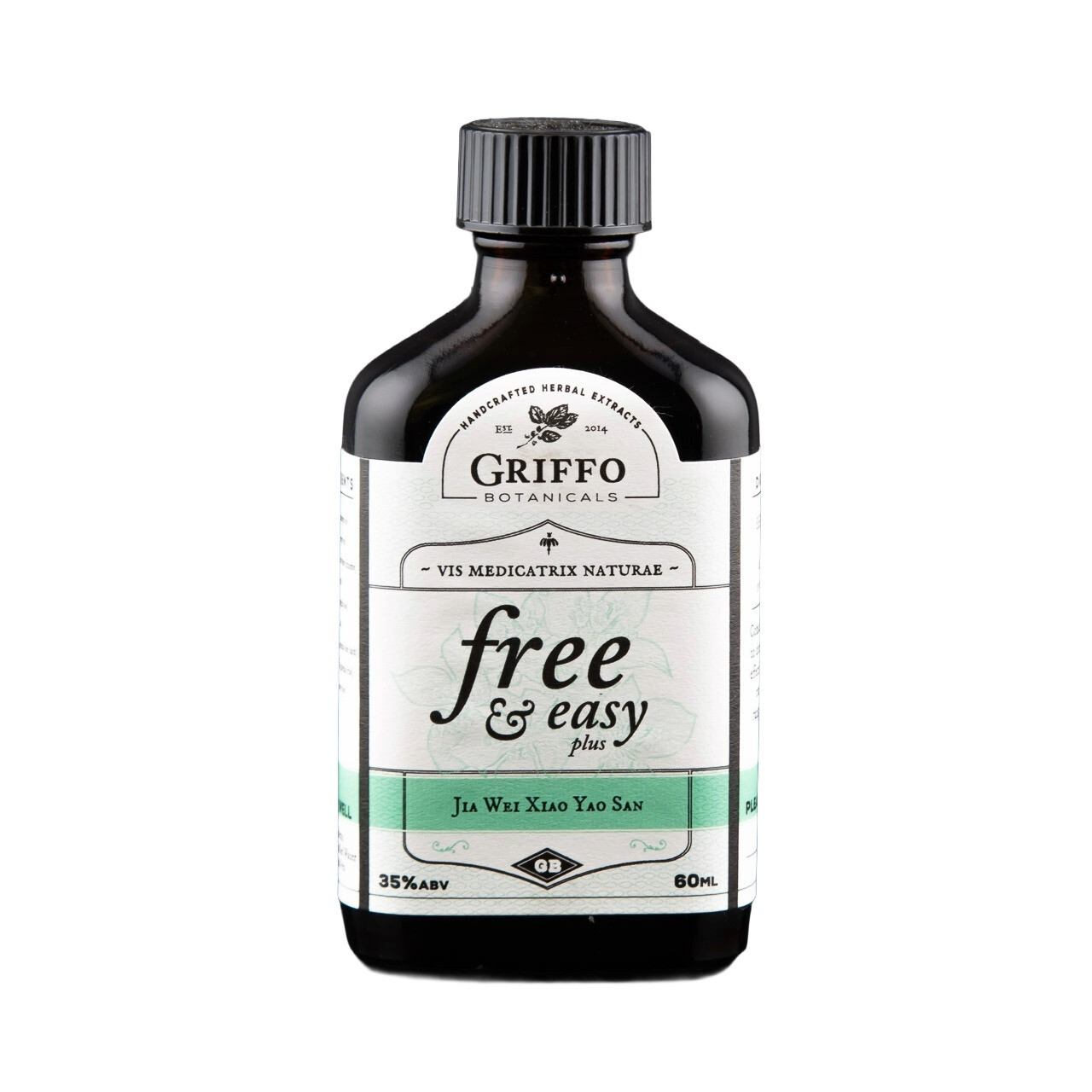
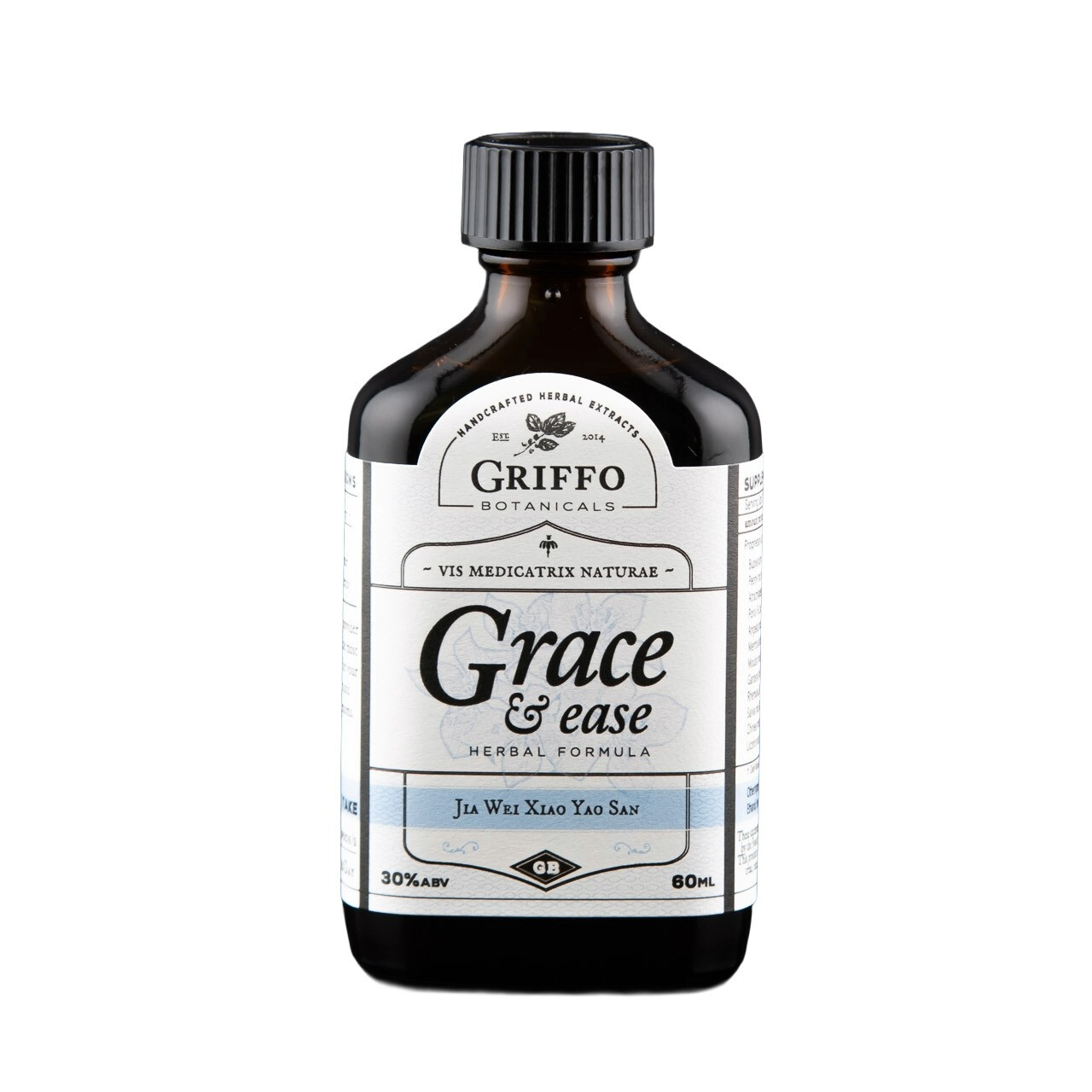
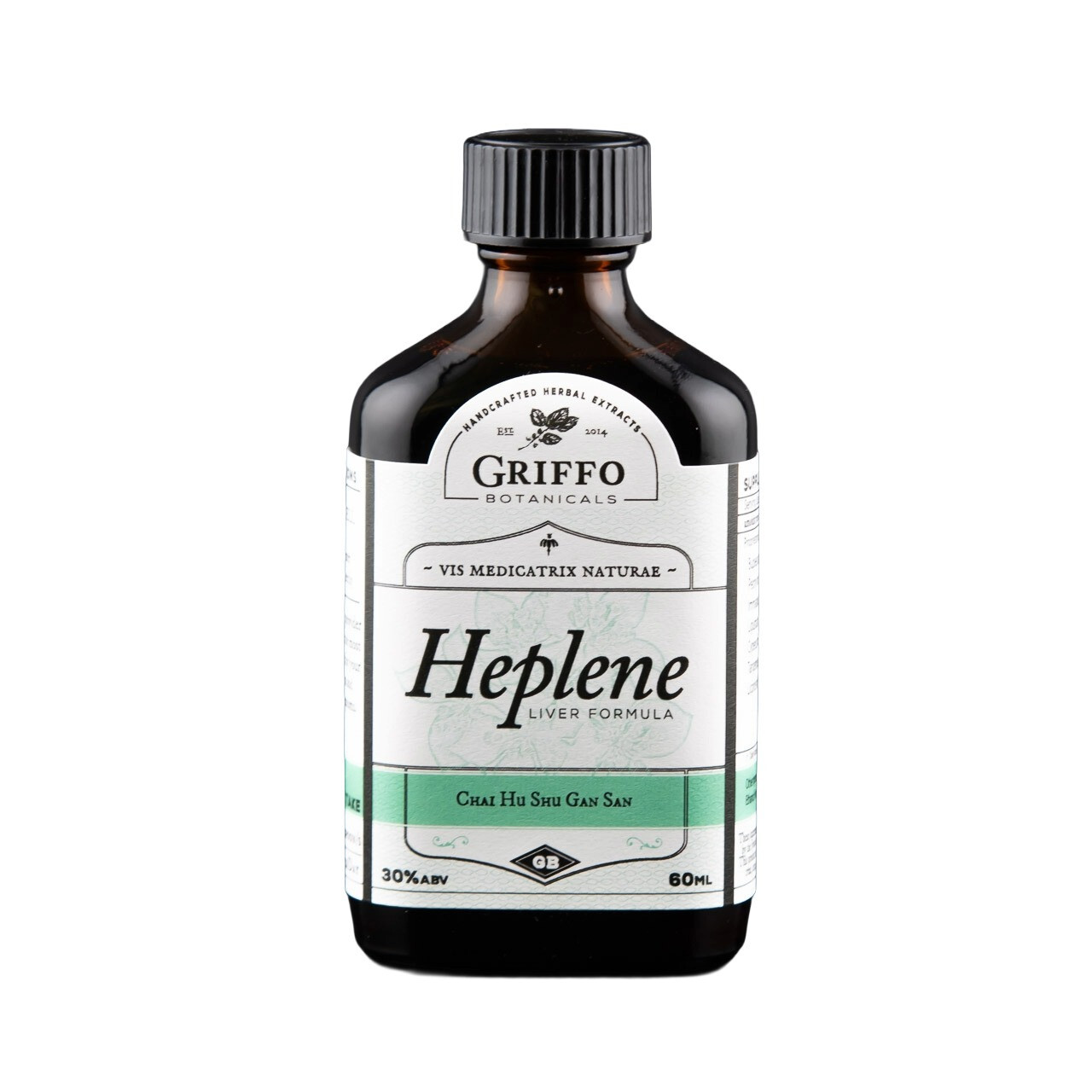
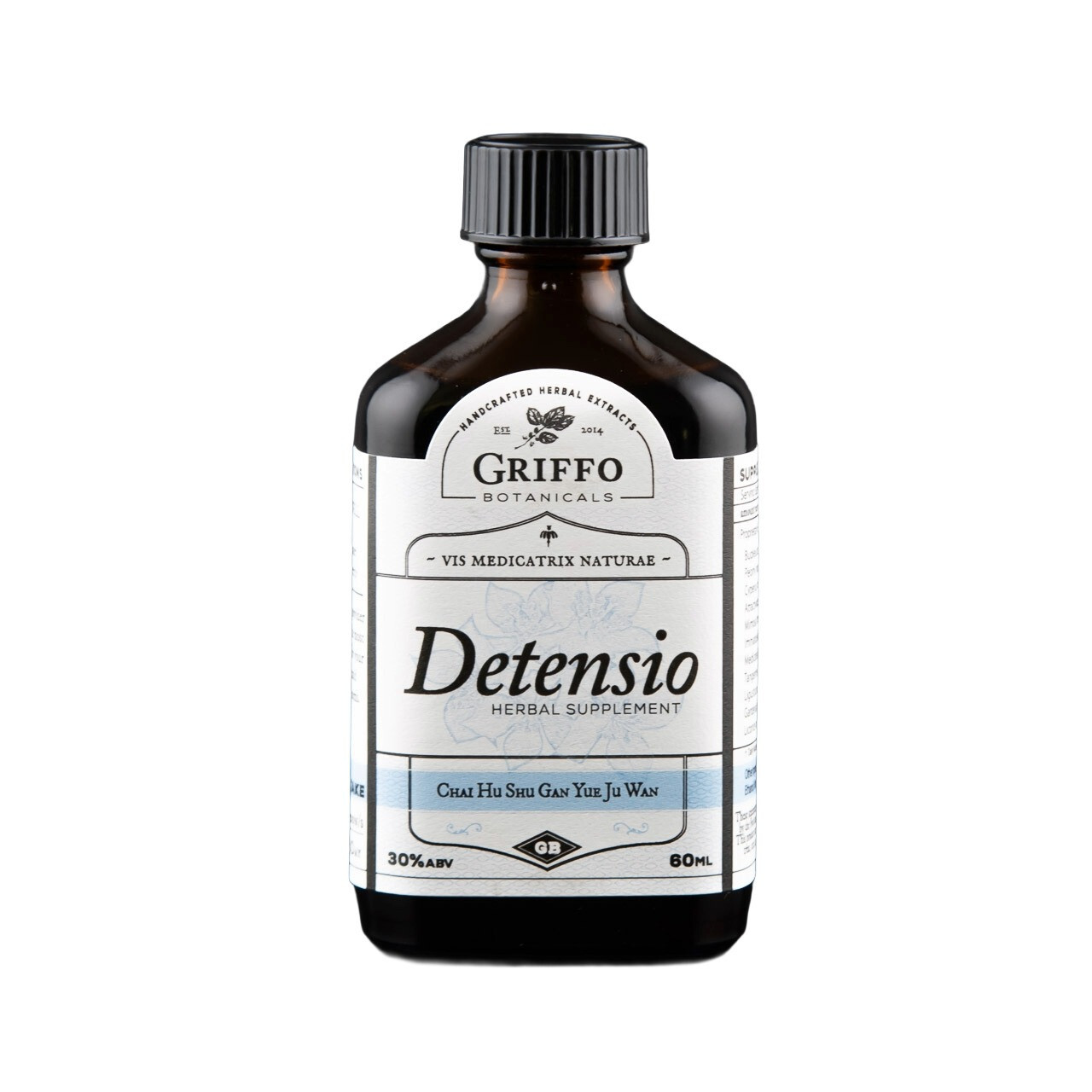
For patients with the classic picture—distension, irritability, PMS, digestive irregularity, headaches, neck and shoulder pain, reflux — This is the cohort that improves quickly because the root is obstruction, not deficiency. These patients often respond well to acupuncture as well. Try Free and Easy, Grace and Ease, Heplene, Detensio.
Liver heat or fire formula
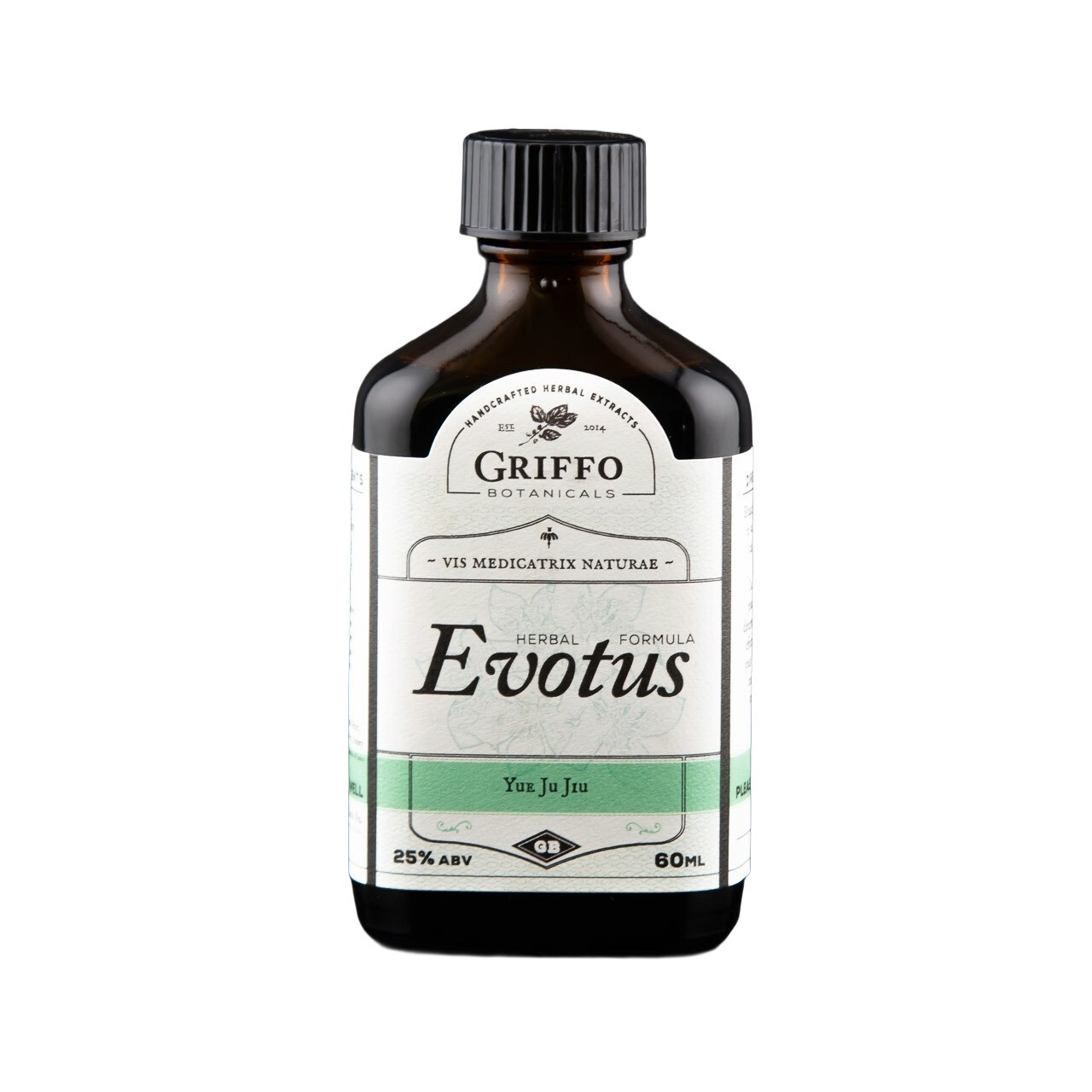
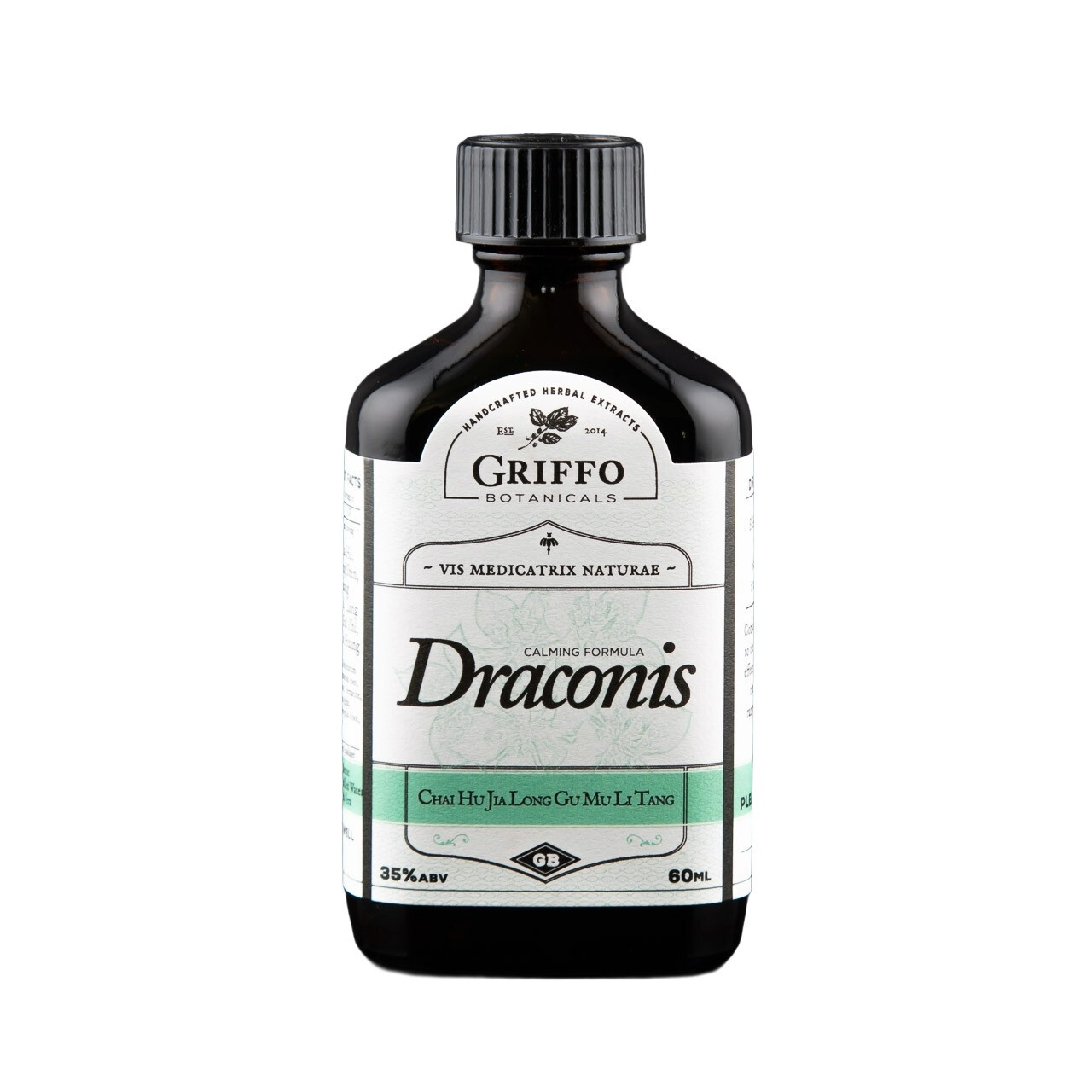
When irritability becomes anger, migraines, eye redness, bitter taste, or insomnia with agitation, choose cooling and descending strategies: Try Detensio, Evotus, Draconis, Grace and Ease.
Liver constraint with deficiency formula
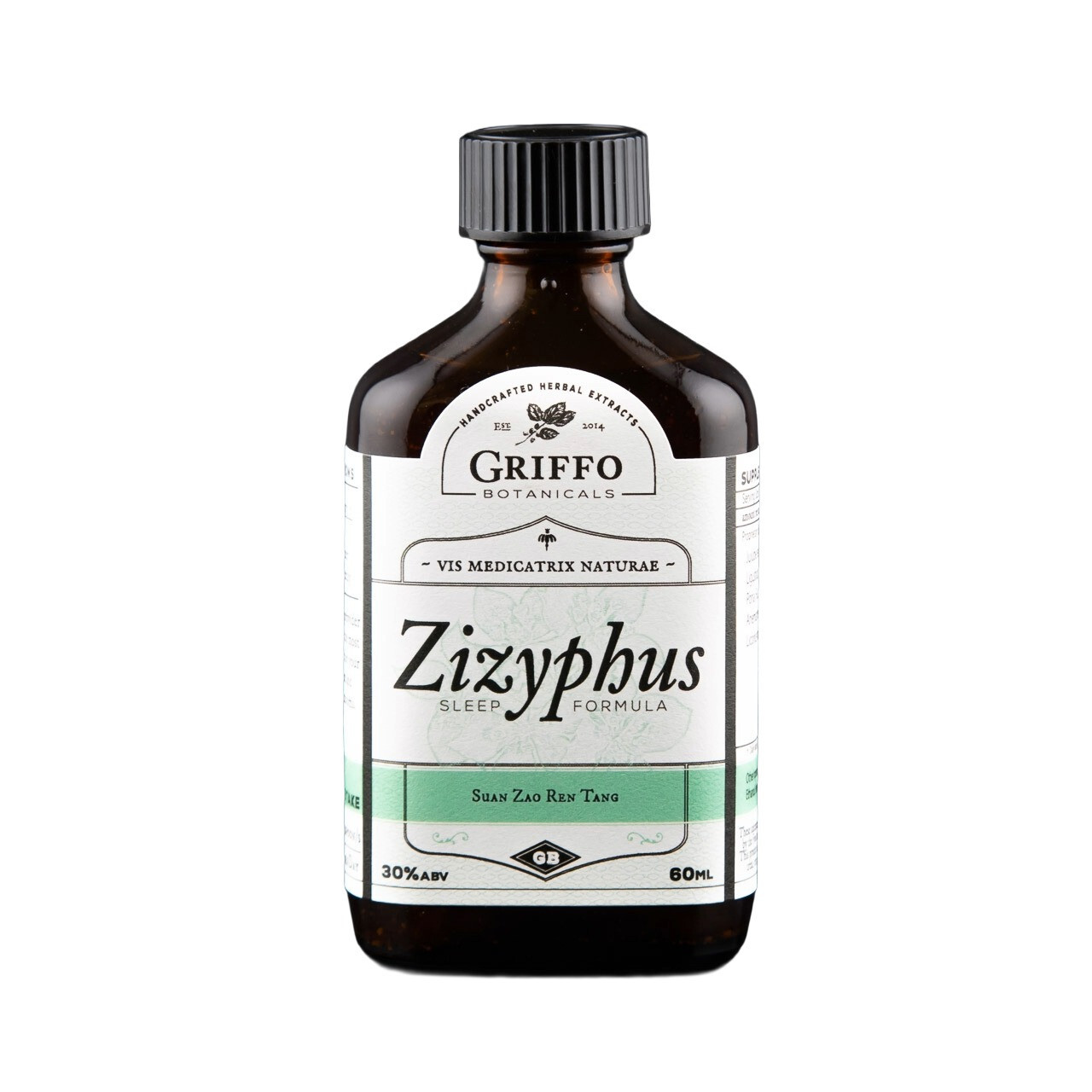
The long-term stressed patient is not “blocked” so much as depleted. They need formulas that nourish and unbind simultaneously. Sleep returns, palpitations calm, and emotional tone stabilizes. Try Grace and Ease, Zizyphus, Draconis.
Liver–Spleen formula
For those whose stress goes straight to the gut, move gently. The goal is to make the center resilient so the Liver cannot bully it. Try Harmonia, Free and Easy.
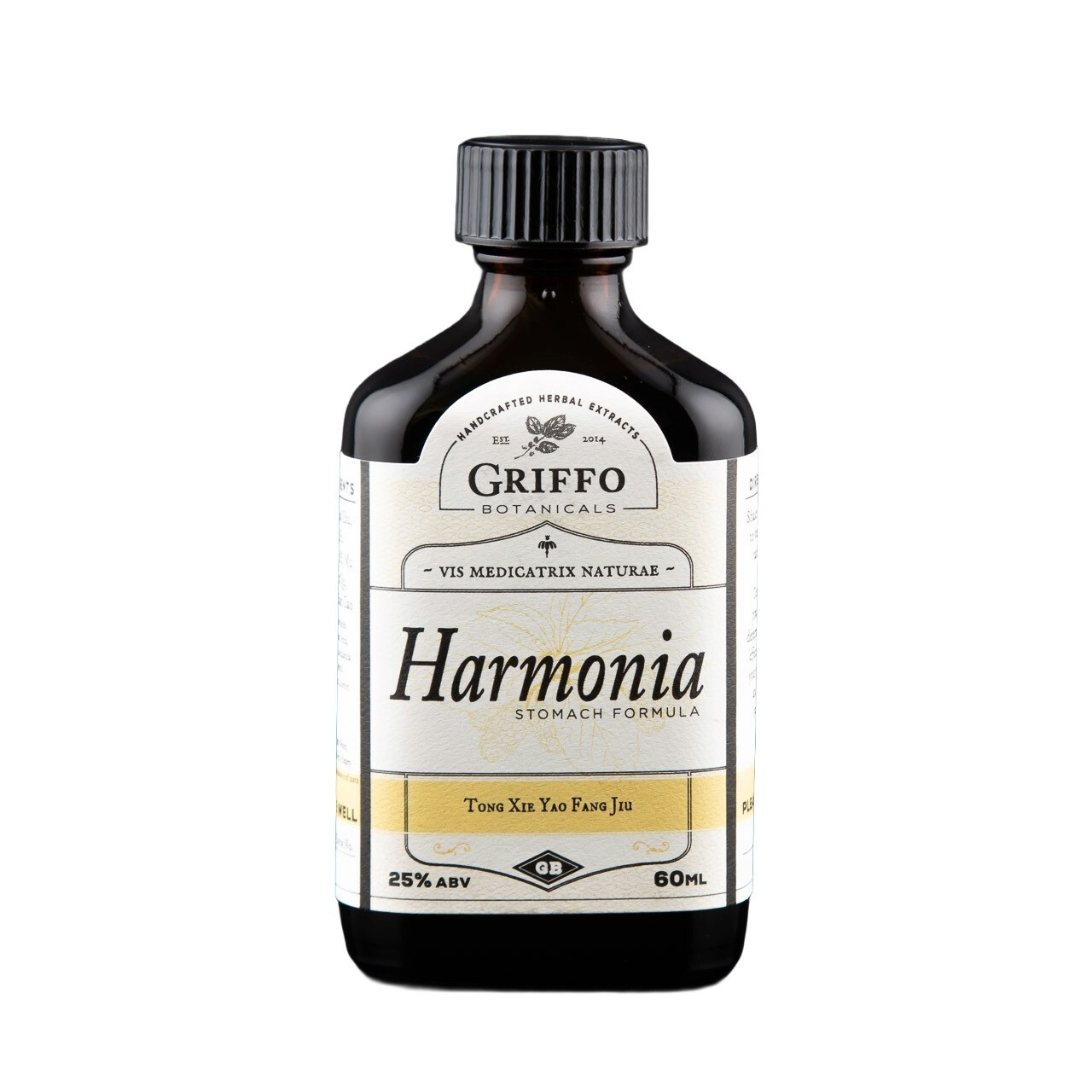
Each of these formulations is not “for stress.” They are for patterns that are the result of stress at the various stages. . That specificity is why they work where generic adaptogens do not. You can see from the formula choices that there is a lot of overlap between categories and formulas. This is because of the long standing tradition in chinese medicine to treat the root and not the symptom. A patient in any of these stages can present with symptoms from other stages. We must diagnose carefully to treat precisely.
So next time you have your fingers on the pulse of a patient, remember to look at the liver and see if it is involved in their constellation of symptoms.
About Frank Griffo, L.Ac.